
Scattering Ashes in Switzerland: What Is Allowed
For many people, saying goodbye in nature is the most beautiful idea. Scattering the ashes in a place that held special meaning. On a favorite mountain, in a quiet forest, or by a familiar body of water. In Switzerland, this is generally possible. You have considerable freedom to decide what to do with the ashes, and more and more people are choosing this natural, personal approach. On this page, you’ll learn where scattering is permitted, what restrictions apply, and the best way to proceed.
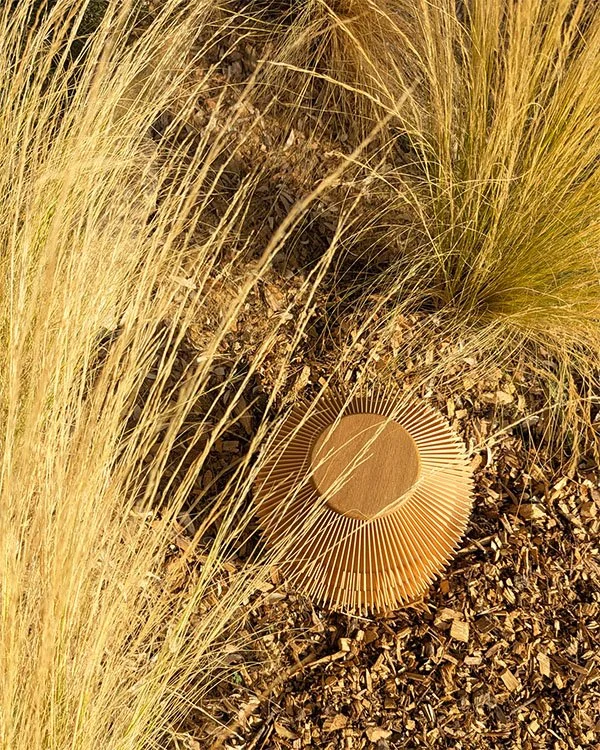
A place that means something.
For many, the most beautiful thought: saying goodbye surrounded by nature.
A growing desire to say goodbye in nature
The desire for a free, nature-oriented farewell has been growing for years. In Switzerland today, about nine out of ten deceased people are cremated. In 2000, the figure was about 70 percent; around 1950, it was just under 20 percent. Cremation has thus become the most common form of burial and is also a prerequisite for burial or scattering of ashes in nature.
With cremation, then, comes greater freedom to choose one’s final resting place. Instead of a permanent grave in a cemetery, many family members deliberately choose a place in nature that reflects the person’s personality.
Here, one could also mention that cemeteries are becoming increasingly empty, creating new spaces as a result. However, that is a different topic and will be addressed in a separate article at a later time.
Where You Can Scatter the Ashes
In the Forest: The forest is one of the most popular locations. Scattering ashes there is generally permitted and usually does not require special authorization. However, burying an urn or erecting a headstone in the forest is not permitted. A permit under forestry law is also required for a formal forest burial at a specific tree.
In the mountains: Mountain peaks and favorite spots in the Alps are common places to say goodbye. It’s important to be considerate of others. Scattering ashes is not appropriate at heavily visited lookout points.
Near bodies of water: Scattering ashes into a lake or river is permitted in many places, provided no one is swimming nearby and the location is chosen with respect. It’s important to make a distinction: when scattering, only the ashes are released; the urn itself is left behind. If, instead, you wish to submerge an entire urn in the water, that is a different matter and subject to much stricter regulations. And please note: In some cantons, scattering ashes in certain bodies of water is prohibited for reasons of drinking water protection—for example, on Lake Constance in the cantons of St. Gallen and Thurgau. Be sure to check the regulations for your specific body of water in advance.
In your own yard: You may scatter the material on private property if the owner agrees. For rented or shared properties, you need the owner's permission.
From the air: In some cantons, ashes may be scattered into the wind from a hot-air balloon, airplane, or helicopter. In certain cantons, however, scattering from aircraft is prohibited. Here, too, it’s important to check in advance.
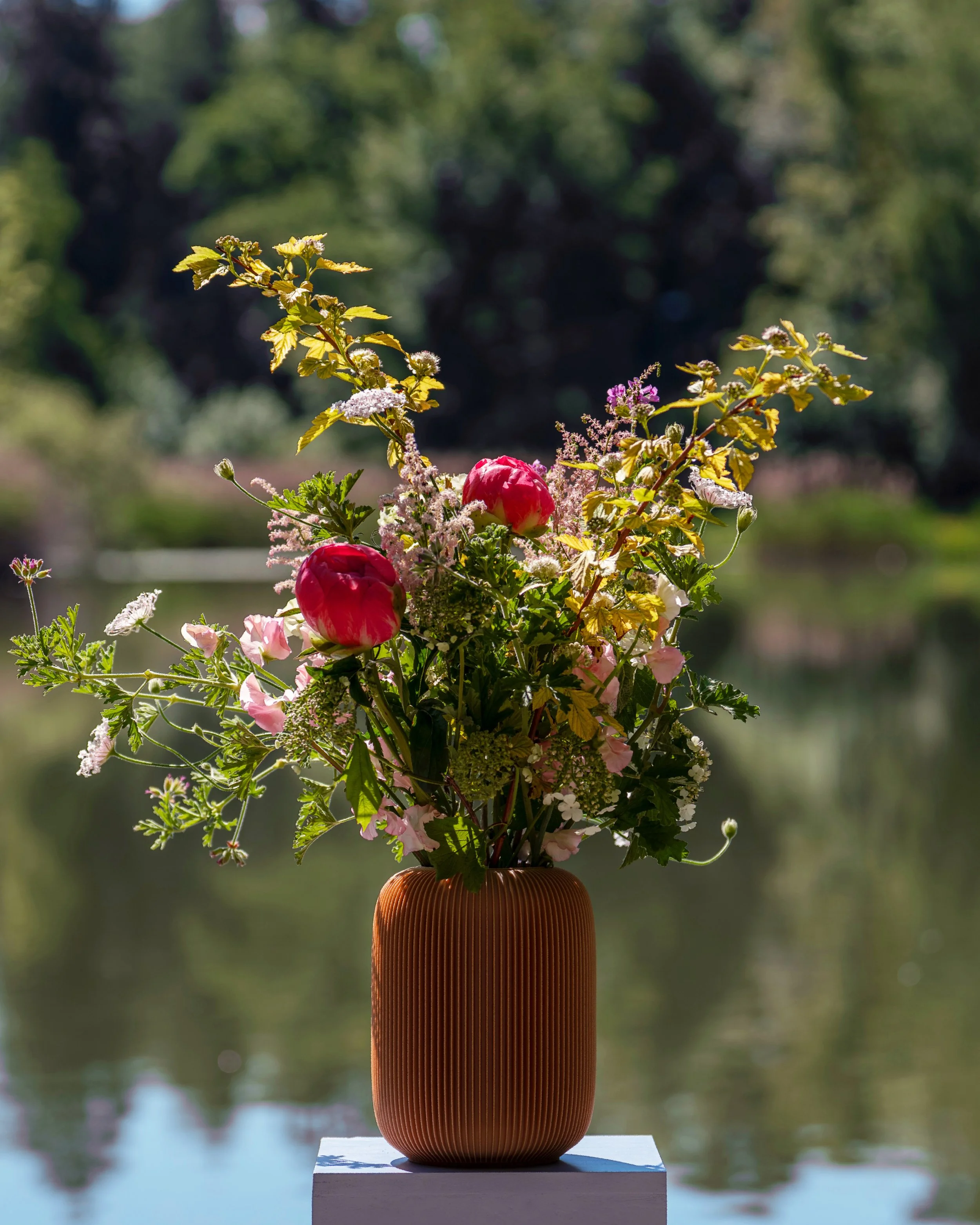
When the urn lives on.
After the ashes are scattered, it becomes a flower vase with the vase insert.
The Most Important Boundaries
There are certain common principles that apply across all locations. The Canton of Zurich summarizes them as follows: Scattering ashes outside of cemeteries is permitted provided that the provisions of forestry, water protection, aviation, building, and environmental laws are observed, and provided that the ashes are not recognizable as such and can no longer be detected after a short period of time.
In practice, this means: Scatter the ashes only where they blend unobtrusively into the natural surroundings. It is not permitted to scatter them in heavily trafficked areas or to leave visible traces. Consideration for others is paramount, because saying goodbye is a very personal moment.
A few steps can help ensure that the farewell goes smoothly and without any unpleasant surprises
First, determine whether the deceased person expressed a wish—ideally in writing. This provides certainty and is even a requirement for some types of arrangements.
Then choose a place that holds special meaning for you and check whether scattering ashes there is permitted. If it’s private property, you’ll need the owner’s permission. If you’re unsure, a quick call to the local municipality or funeral home can help, since they’re familiar with the local rules.
Choose a quiet time when there is little wind and few people around. That way, the moment will remain dignified, and the ashes will blend in unobtrusively. And take your time. A farewell in nature cannot be repeated.
Which urn is the right choice?
The urn itself isn't particularly important for the scattering ceremony. It serves only as a temporary container, since it is the ashes—not the urn—that are scattered. Good to know: The ash bag included in every Farvel urn is ideal for carrying the ashes to the chosen location and scattering them there.
It’s a different matter if you want to bury an entire urn in nature—that is, bury it rather than scatter the ashes. In that case, a biodegradable urn that breaks down without leaving any residue is a good choice. However, this is not a scattering but a burial, and different rules apply. You can find more information on this in the overview of burial types in Switzerland.
And after that? If you’d like to keep some of the ashes with you, you can store them in a small urn . The empty urn, however, doesn’t have to be discarded. With a glass vase insert, it can be turned into a flower vase and remain part of your home as a keepsake.

A Place for Remembrance.
After the ashes have been scattered, the urn can be filled with mementos.
And what about Germany and Austria?
People who come from abroad or have ties to other countries often experience things differently. In Germany, burial in a cemetery is mandatory; scattering ashes freely in nature is generally not permitted there. The FriedWald offers a nature-based alternative: a forest where ashes may be interred at the base of a tree.
In Austria, the urn may be kept at home under certain conditions. However, scattering ashes freely in nature is also prohibited there and is permitted only in designated scattering grounds. Switzerland, therefore, takes a more open approach to scattering ashes in nature.
Frequently Asked Questions
Is scattering ashes permitted in Switzerland?
Generally speaking, yes. Scattering ashes in nature is permitted in Switzerland. However, cantonal regulations apply, and there are some restrictions.
Do I need a permit to scatter ashes in the forest?
Generally not for simply scattering the ashes. A permit under forestry law is required for a formal forest burial at a specific tree.
Is it okay to scatter the ashes in a lake?
In many places, yes—as long as no one is swimming nearby. However, it is prohibited in some cantons, such as on Lake Constance. Check the rules for your body of water beforehand.
Can I scatter the ashes in my own yard?
Yes, with the landowner's consent.
What kind of urn do I need for scattering ashes?
There are no specific requirements for the scattering itself. The ashes are scattered; the urn is left behind. An ash bag is useful for carrying the ashes to the site.
Sources and Further Information
This article is based on public and official sources. The most important ones are:
The rules vary by canton and municipality and are subject to change. This page provides a general overview and is not legal advice. Check with your local municipality or ask your funeral home for specific information.
A Farewell in Nature
If you're planning a natural farewell, you'll find biodegradable urns in the Farvel Collection that are perfect for the occasion. If you have any questions, we're happy to help—email us at hallo@farvel.ch or call us at +41 79 700 05 45.